
Camping in the UK can be a wonderful way for families to spend time outdoors, explore the countryside and give children an adventure away from screens and busy city life. But if you are a Filipino family living in the UK, your first camping trip may feel very different from what you are used to in the Philippines.
The Philippines has a tropical maritime climate, with relatively high temperatures, high humidity and abundant rainfall. The average annual temperature is around 26.6°C, although places at higher elevations, such as Baguio, are considerably cooler.
The UK, on the other hand, has a much more changeable climate. A family camping trip can mean sunshine in the afternoon, a cold evening, rain overnight and a windy morning – sometimes all within the same weekend. That is why camping in the UK requires a little more planning, particularly when young children are coming along.
The good news is that you do not need to be an experienced outdoor adventurer to enjoy it. There are family-friendly campsites across the country with toilets, showers, play areas and other facilities that make camping much easier for beginners. In the UK, you may also come across the term “full-hookup camping”, which refers to pitches that provide connections such as electricity, water and drainage, making them a convenient option for families who prefer a more comfortable camping experience.
From the lakes and mountains of the Lake District to the beaches of Cornwall, the forests of the New Forest and the spectacular landscapes of Scotland and Wales, you will find some of the best camping places in the UK for a memorable family escape.
Why Try Camping in the UK with Kids?
Children do not need an expensive holiday to create lasting memories. Sometimes, sleeping in a tent, searching for birds, walking through a forest and eating breakfast outdoors can be more exciting than another day indoors.
Camping gives children the opportunity to:
- Explore nature away from screens and devices
- Learn basic outdoor skills
- Walk, cycle and play in open spaces
- Watch wildlife
- Experience different landscapes
- Become more independent
- Spend uninterrupted time with parents and siblings
- Learn why protecting the environment matters
For parents, camping in the UK can also be a flexible holiday option. You can choose a campsite close to home for your first trip before progressing to longer journeys and more adventurous destinations. For children, we should realise that, the best camping places in the UK are often simply the ones where they can be beside their parents, enjoying fun activities and making memories together.
Camping in the UK: What Is Different for Filipino Families?
If your idea of camping comes from the Philippines, there are a few things worth knowing before you pack your tent.
In the Philippines, camping can naturally lend itself to warm-weather activities such as beach trips, swimming and outdoor cooking. In Britain, you need to think more carefully about temperature, wind, rain and the time of year.
A sunny British afternoon does not necessarily mean a warm night.
Children can become cold quickly when they are sitting around a campsite after sunset, so warm layers are essential. Waterproof clothing is equally important because British weather can change quickly.
This is one reason why camping in the UK is as much about preparation as it is about the destination.
A simple Filipino-family camping rule: Prepare for the weather you have, and the weather you might get.
Pack waterproof jackets even when the forecast looks good. Bring extra socks. Keep one complete dry outfit for each child. And never assume that summer automatically means warm evenings.
It is also worth remembering that the Philippines is not uniformly hot. PAGASA notes that altitude has a significant effect on temperature, with Baguio’s mean annual temperature considerably lower than the national average.
So Filipino families already have some experience of cooler outdoor conditions – but British camping can introduce a different combination of cold, wind and rain.
Choosing the Best Camping Places in the UK for Families
For your first family camping trip, choosing a campsite with good facilities is usually better than going straight into remote wild camping.
Look for:
- Family-friendly pitches
- Toilets and showers
- Drinking-water facilities
- A washing-up area
- A shop or food options nearby
- Children’s play areas
- Easy access to walking trails
- Nearby attractions
- Parking close to your pitch
- Good mobile reception if you need it
- Clear emergency arrangements
The best camping places in the UK are not necessarily the wildest or most remote. For families with younger children, convenience can make the difference between a relaxing adventure and a weekend of carrying tired children, wet clothes and too much equipment!
8 Family-Friendly Areas to Consider
If you are looking for the best camping places in the UK, these family-friendly areas offer a range of landscapes, activities and campsite options to suit different ages and interests.
1. Lake District, England
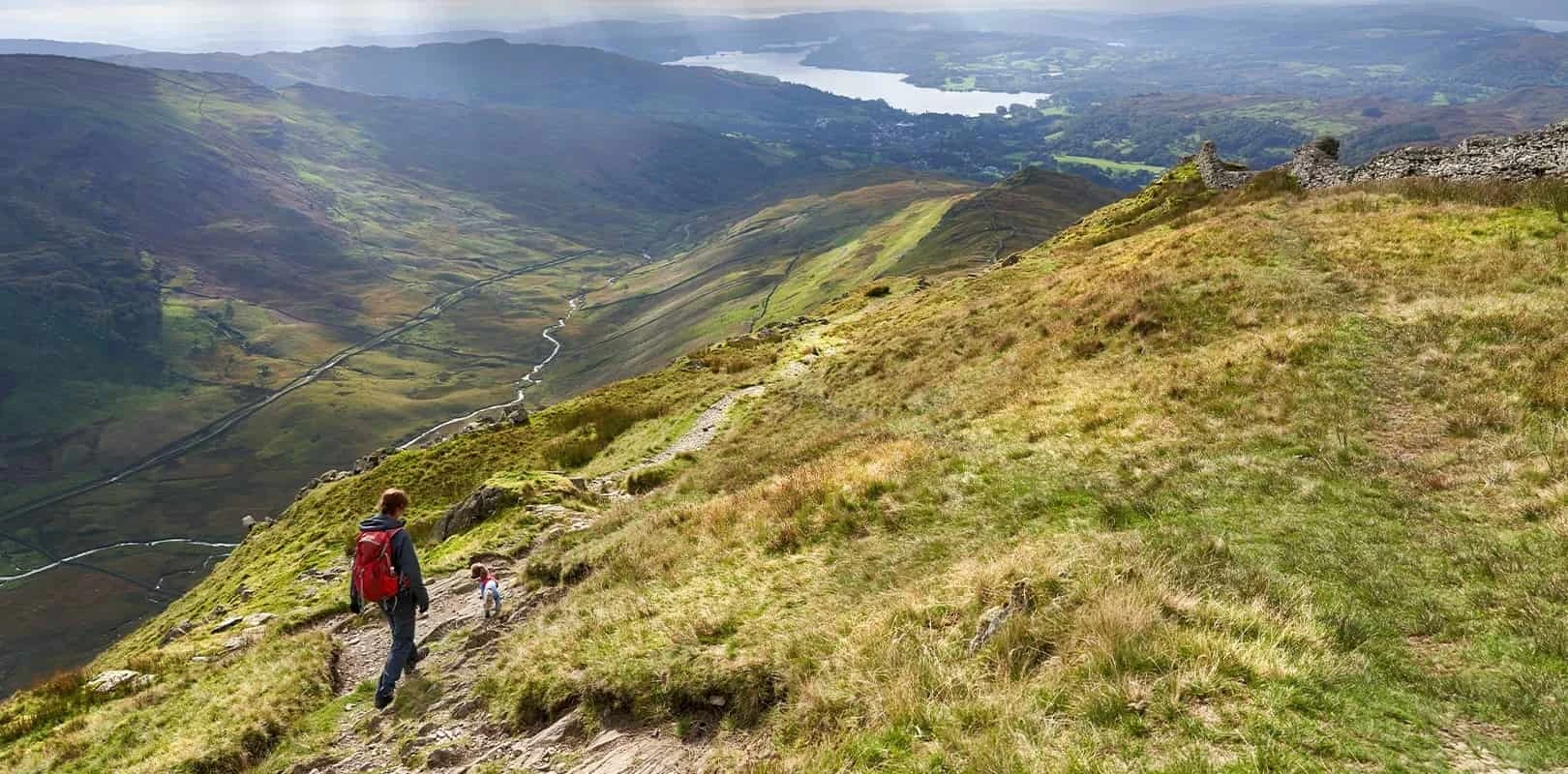
The Lake District is one of the UK’s most popular outdoor destinations and offers plenty of opportunities for family walks, lake activities and countryside adventures.
Families can choose a campsite near attractions and easier walking routes rather than attempting challenging mountain hikes with young children.
It is one of the best camping places in the UK for families who want scenery, outdoor activities and plenty of things to explore.
2. New Forest, Hampshire
The New Forest is a particularly appealing choice for families because of its woodland, open heathland and wildlife.
Children can enjoy simple activities such as spotting ponies, walking through the forest and cycling on suitable routes.
For a first experience of camping in the UK, a campsite in or around the New Forest can provide a good balance between nature and family-friendly facilities. It is also one of the best camping places in the UK for families looking for a relaxed introduction to outdoor holidays.
3. Peak District, England
The Peak District offers impressive countryside without requiring every family to undertake a serious mountain expedition.
There are scenic walking routes of different lengths and difficulty levels, making it possible to plan an outing around the ages and abilities of your children.
The area is also a good option for families travelling from many parts of England because of its central location, making it one of the best camping places in the UK for families who want countryside adventures without travelling too far.
4. Yorkshire Dales, England
The Yorkshire Dales combines green valleys, waterfalls, stone villages and open countryside.
Families can choose shorter walks and visit local attractions rather than planning an exhausting full-day hike.
It is particularly enjoyable for children who love exploring, collecting interesting leaves or stones and looking for wildlife.
5. Cornwall, England
If your children love the seaside, Cornwall can bring a familiar element to camping in the UK.
Instead of tropical Philippine beaches, however, expect cooler water, changing weather and a very different coastal landscape.
Choose a campsite that gives you easy access to beaches and family attractions, and always check local coastal safety information before swimming.
6. Norfolk, England
Norfolk is another excellent option for families who prefer a gentler camping holiday.
Its beaches, countryside, wildlife attractions and relatively flat landscapes can work well for younger children.
It can be great to combine camping in the UK with a traditional seaside holiday without the need for strenuous hikes.
7. Eryri (Snowdonia), Wales
Eryri is famous for its mountains and spectacular scenery, but families should not assume that every visit needs to involve climbing a mountain.
There are plenty of ways to enjoy the area without tackling the highest peaks.
For camping, official campsites are generally the safest and simplest choice. Eryri National Park specifically recommends using official campsites, particularly because they can become busy during peak periods. Wild camping is not generally permitted without landowner permission.
8. Scotland
Scotland is one of the most spectacular destinations for camping in the UK, particularly for families who want dramatic mountains, lochs, forests and wide-open landscapes.
However, Scotland has different access rules from England and Wales.
Responsible lightweight camping in small numbers is included within Scotland’s outdoor access rights, generally for two or three nights in one place. Campers should stay well away from buildings and roads, avoid sensitive areas and leave no trace.
For families with young children, however, a managed campsite can still be the better option because it provides toilets, water, safer pitching areas and easier access to facilities.
Camping Rules in the UK: What Families Need to Know
One of the biggest mistakes beginners make is assuming that camping in the UK means you can simply find an empty field and put up a tent, that’s called wild camping.
It does not work that way everywhere.
England
In England, wild camping generally requires the landowner’s permission. Some areas have specific access arrangements or local rules, so always check before pitching a tent.
If you are unsure, use an official campsite.
The safest approach for a family holiday is simple:
- Book a recognised campsite rather than assuming you can camp wherever you see open countryside.
Wales
Wild camping should not be treated as automatically permitted in Wales.
For example, Eryri National Park states that wild camping is not permitted in the park without landowner permission and recommends official campsites.
Always check the rules of the specific national park, council or landowner before planning an overnight stay.
Scotland
Scotland is different.
Responsible access rights include lightweight tent camping on most land where access rights apply, but campers must follow the Scottish Outdoor Access Code. This includes camping in small numbers, generally staying for no more than two or three nights in one location and leaving no trace.
There can also be local restrictions. For example, seasonal byelaws apply in parts of Loch Lomond & The Trossachs National Park, where camping in certain areas requires a campsite or camping permit.
Northern Ireland
Northern Ireland has its own countryside guidance. Most land is private, and access depends on the landowner’s permission or established access arrangements.
The Northern Ireland Countryside Code advises visitors to respect landowners, stay on appropriate paths, avoid livestock and take litter home.
The Golden Rules of Family Camping
Wherever you camp, teach your children these simple rules.
1. Leave the countryside as you found it
Take your rubbish home or use the campsite’s designated waste facilities.
The Countryside Code asks visitors to respect people, animals, property and the environment.
2. Keep children away from livestock
Cows, horses, sheep and other farm animals may look friendly, but they can become unpredictable when approached.
Keep children close and follow local signs and advice.
3. Respect other campers
Campsites are shared spaces.
Avoid shouting late at night, playing loud music or running through other people’s pitches.
4. Keep to permitted paths
Do not walk through crops or private land simply because it looks like a shortcut.
5. Never leave children unattended near water
This includes lakes, rivers, streams, reservoirs and the sea.
A beautiful campsite beside water may look perfect for children, but water safety must come first.
Campfire and Cooking Safety
This is particularly important when camping with children.
Never assume that campfires are allowed.
Follow the campsite’s rules and local restrictions. In Scotland, responsible camping guidance recommends using a camping stove and avoiding open fires, particularly during dry conditions or near forests, farmland, buildings and other sensitive areas.
UK fire-safety guidance also recommends keeping tents and caravans at least six metres apart and keeping a torch available instead of using candles.
With children:
- Keep cooking equipment away from children.
- Never cook inside a tent.
- Never leave a stove or barbecue unattended.
- Keep gas cylinders and flammable materials away from children.
- Use torches rather than candles.
- Make sure children understand that the stove and cooking area are off-limits.
Remember: a tent can catch fire extremely quickly.
What to Pack for Camping in the UK with Kids
Packing for camping in the UK is very different from packing for a tropical beach holiday.
Sleeping
- Family-sized tent
- Sleeping bags suitable for the expected temperature
- Sleeping mats or air beds
- Pillows
- Blankets for colder nights
Clothing
- Waterproof jacket
- Warm jumper or fleece
- Comfortable trousers
- T-shirts
- Extra socks
- Waterproof trousers
- Hat
- Spare shoes
- Sleepwear
Food and drink
- Reusable water bottles
- Easy breakfast foods
- Snacks
- Simple meals
- Picnic supplies
- Cool box if appropriate
Family essentials
- Torch or head torch
- First-aid kit
- Wet wipes
- Hand sanitiser
- Bin bags
- Insect repellent
- Sunscreen
- Power bank
- Children’s favourite comfort item
Pack one complete dry outfit for every child in an easily accessible bag.
Not buried underneath the tent.
Not at the bottom of the boot.
You will thank yourself when somebody jumps into a muddy puddle five minutes before dinner.
Tips for Your First Family Camping Trip
Start with one night
You do not need to begin with a five-night expedition.
Try one night at a campsite relatively close to home.
If everyone enjoys it, make the next trip longer.
Check the weather
Look at the forecast shortly before leaving and again before setting up camp.
Do not rely solely on what the weather looked like when you booked the campsite.
Arrive during daylight
Setting up a family tent for the first time in darkness while children are tired and hungry is an excellent way to question every decision that led you there.
Arrive early enough to pitch your tent while you can still see clearly.
Bring familiar food
Your children do not need a Michelin-starred camping menu.
Simple food works.
Sandwiches, pasta, sausages, fruit, cereal, soup and snacks can make life much easier.
Plan something fun
Children may not appreciate a beautiful landscape in quite the same way adults do.
Give them something to look forward to:
- Treasure hunts
- Nature spotting
- Stargazing
- Storytelling
- Board games
- Simple outdoor games
- Short walks
- Marshmallow treats where permitted and safely managed
Have a rainy-day plan
Rain is not necessarily a camping disaster.
But spending six hours inside a wet tent with three bored children can test even the strongest family bonds.
Find nearby museums, indoor attractions, swimming pools, farm parks or family attractions before you travel.
A Simple Family Camping Checklist
Before leaving home, ask:
Campsite
☐ Have we booked an appropriate campsite?
☐ Do they allow children?
☐ Are toilets and showers available?
☐ Is there drinking water?
☐ Are campfires or barbecues allowed?
☐ What are the quiet hours?
☐ Is parking close to the pitch?
Weather
☐ Have we checked the forecast?
☐ Do we have waterproof clothing?
☐ Do the children have warm layers?
☐ Do we have spare socks and shoes?
Safety
☐ Do we have a first-aid kit?
☐ Do we have torches?
☐ Do we know where the campsite’s emergency facilities are?
☐ Have the children been told about water, fire and livestock safety?
Food
☐ Do we have enough food and snacks?
☐ Do we have drinking water?
☐ Is our cooking equipment suitable for the campsite?
Environment
☐ Do we know the local camping rules?
☐ Are we following the Countryside Code?
☐ Will we take all rubbish home or dispose of it correctly?
How to Make Camping Fun for Filipino Kids
For Filipino families, you can also bring a little piece of home into your British camping adventure.
Pack familiar snacks that your children enjoy. Prepare a simple Filipino breakfast or bring food that reminds everyone of home.
You could even turn the trip into a small family tradition.
Tell stories about camping or travelling in the Philippines. Teach your children the names of plants and animals they see. Compare the British countryside with places they have visited or seen in the Philippines.
A child who has grown up seeing beaches, coconut trees and tropical landscapes may find a misty British morning, sheep-filled field or autumn forest completely fascinating.
And there is something rather special about watching children discover that adventure does not always need an aeroplane ticket.
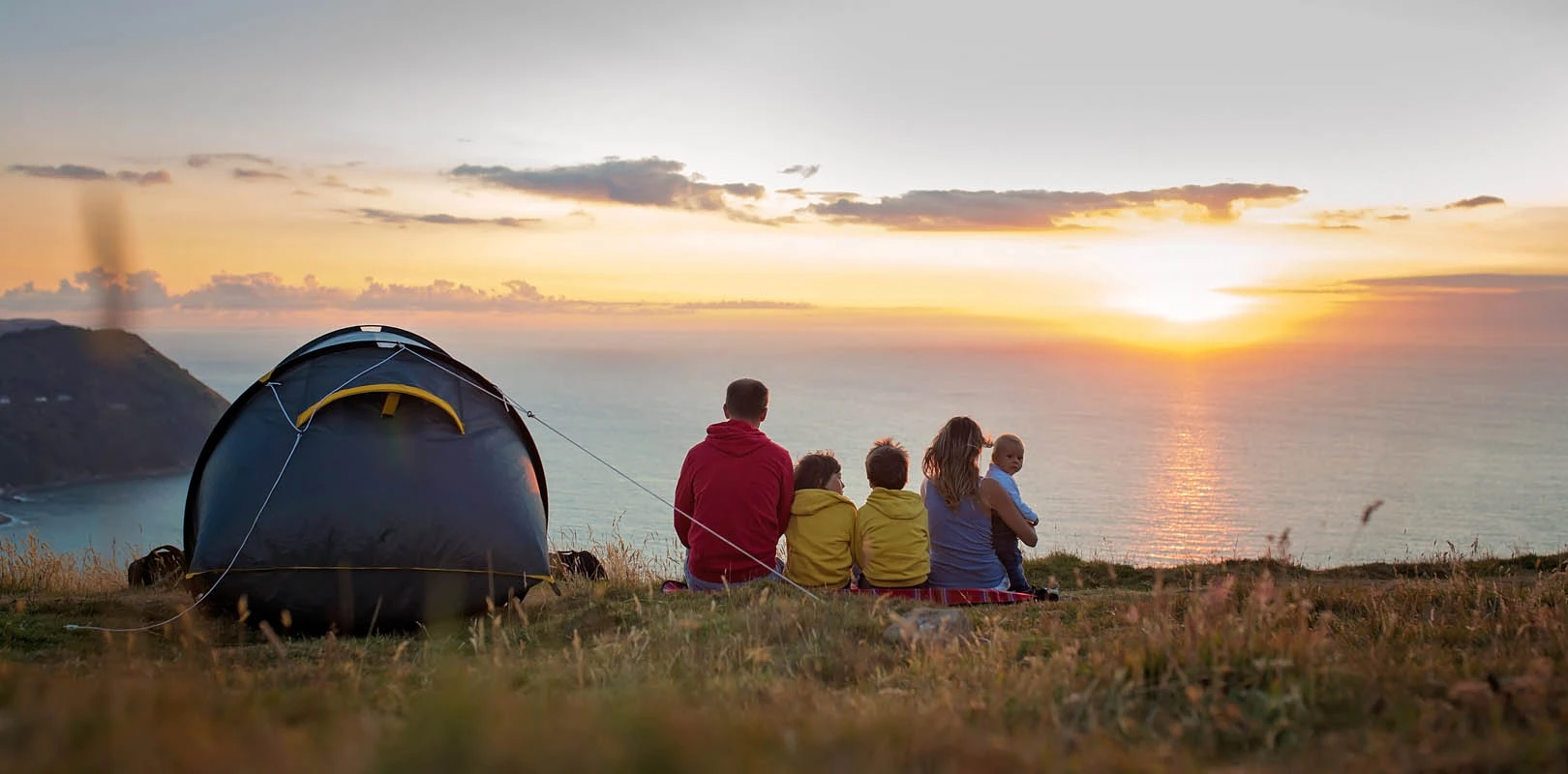
Sometimes it is just a tent, a muddy pair of boots and a family sitting together after sunset.
Camping in the UK by Season
Spring
Spring can be beautiful, with flowers, fresh greenery and longer days.
However, temperatures can still be chilly, particularly at night.
Pack waterproof clothing and warm layers.
Summer
Summer is the most popular period for camping in the UK, so family campsites can become busy.
Book early, particularly if you want a campsite near a popular attraction.
Longer daylight hours can make summer camping especially enjoyable for children.
Autumn
Autumn brings colourful forests and cooler temperatures.
It can be a beautiful time to visit the best camping places in the UK, but prepare for colder nights and potentially wet conditions.
Winter
Even the best camping places in the UK can be challenging during winter, particularly for families who are not used to cold temperatures, shorter daylight hours and potentially severe weather. Winter camping is generally better suited to experienced campers and families who are properly equipped for the conditions.
For a first family camping trip, spring through early autumn is usually the easier starting point.
10 Tips for Stress-Free Camping with Young Children
- Choose a campsite with facilities.
- Start with one night.
- Arrive before dark.
- Pack more socks than you think you need.
- Bring waterproof clothing even when the forecast looks good.
- Keep snacks within easy reach.
- Give children small camping jobs.
- Never leave children unsupervised near water or cooking equipment.
- Have an indoor activity or rainy-day plan.
- Do not try to do everything in one weekend.
The purpose of family camping is not to prove how much discomfort everyone can tolerate.
It is to spend time together in a fun memorable way!
Is Camping Expensive?
It can be one of the more affordable ways to enjoy a family break, but the total cost depends on your campsite, equipment, transport and activities. Even when choosing from the best camping places in the UK, you can keep costs manageable by selecting a campsite that suits your budget and choosing activities that do not require additional fees.
If you are starting from scratch, equipment can be the biggest initial expense.
You do not necessarily need to buy everything at once. Borrowing equipment from friends or family can be a good way to discover whether your children actually enjoy camping before investing in a complete setup.
For your first trip, prioritise the essentials: a suitable tent, sleeping equipment, waterproof clothing, lighting, food and safety equipment.
Why Camping Can Be a Great Family Tradition
Modern family life can be busy.
School, work, phones, tablets, television and endless household responsibilities can easily fill a weekend.
Camping creates a natural reason to slow down.
Children wake up and see trees instead of screens. They hear birds instead of traffic. They learn that breakfast can be eaten outside and that rain does not necessarily mean the day is ruined.
Perhaps most importantly, families have time to talk.
That is one of the real attractions of camping in the UK. The tent is only the accommodation. The real experience is the time spent together.
Frequently Asked Questions About Camping in the UK
1. Is camping in the UK suitable for families with young children?
Yes. Many campsites are designed for families and offer toilets, showers, play areas and easy access to attractions. For a first trip, choose a managed campsite rather than attempting remote camping.
2. What is the best age to take children camping?
There is no specific age. Babies, toddlers and older children can all enjoy camping, but the younger the child, the more preparation you may need. Start with a short trip close to home.
3. Can you wild camp anywhere in the UK?
No. Camping rules differ between England, Wales, Scotland and Northern Ireland. In England and Wales, wild camping generally requires landowner permission, while Scotland has broader responsible access rights subject to the Scottish Outdoor Access Code and local restrictions.
4. Is camping in the UK safe for children?
Camping can be a safe family activity when parents plan properly. Pay particular attention to water, fire, cooking equipment, roads, cliffs, livestock and changing weather. The Scottish Outdoor Access Code specifically advises visitors to take special care with children.
5. What should children wear when camping in the UK?
Layers are best. Bring warm clothing, waterproof jackets, waterproof trousers, sturdy footwear and plenty of spare socks. Avoid relying on a single thick item of clothing because temperatures can change during the day.
6. Can you have a campfire at a UK campsite?
It depends on the campsite and local rules. Never assume that campfires are permitted. Follow the site’s instructions and use a camping stove where appropriate. Open fires can create serious risks, particularly during dry conditions.
7. What should Filipino families pack for camping in Britain?
Warm layers, waterproof clothing, spare socks, suitable sleeping equipment, torches, first-aid supplies, snacks and familiar food are particularly useful. Unlike a tropical camping trip, you need to prepare for chilly nights and changing weather.
8. What are the best camping places in the UK for a first family trip?
The Lake District, New Forest, Peak District, Yorkshire Dales, Cornwall, Norfolk, Eryri and parts of Scotland all offer excellent outdoor experiences. For your first trip, prioritise a campsite with family facilities and attractions nearby rather than choosing the most remote location.
Final Thoughts: Make Your First Camping Trip a Family Adventure to Remember
Camping in the UK does not have to mean climbing mountains, sleeping in freezing temperatures or carrying everything you own into the wilderness.
For families, it can be much simpler.
Choose a comfortable campsite. Pack for rain and cold. Plan activities that your children will enjoy. Follow local camping rules and the Countryside Code. Most importantly, give yourselves permission to slow down and enjoy being together.
The best camping places in the UK are not necessarily the places furthest from civilisation. Sometimes the perfect family campsite is simply somewhere beautiful, safe and comfortable enough for everyone to wake up smiling.
And for Filipino families living in Britain, camping can become something more than a weekend away. It can be a chance to introduce children to the British countryside while keeping a little taste of home in the food, stories and family traditions you bring with you.
After all, adventure does not always have to take you far from home.
Sometimes, all you need is a tent, a warm jacket, a packet of snacks and the people you love.
Planning Your Next Family Trip?
If your family is based in the UK and you are also planning a trip back to the Philippines to visit relatives, enjoy the beaches or introduce the children to their Filipino roots, make sure you plan your flights early – especially around school holidays and peak travel periods.
Looking for flights from the UK to the Philippines?
Mabuhay Travel can help you find flights to the Philippines from the UK, with experienced travel agents who understand the needs of Filipino families travelling home.
Book your flight to the Philippines with Mabuhay Travel and start planning your next family adventure.
Share